Why Restaurant Layout Problems Hurt Revenue More Than You Think
Many restaurants struggle with revenue growth not because of food quality or branding, but because of poor layout decisions made early in the design stage. These mistakes rarely feel dramatic, yet they quietly reduce table turnover, limit seating efficiency, and frustrate both guests and staff.
A restaurant layout does not need to look wrong to perform badly.
Mistake 1: Overcrowded Seating That Slows Table Turnover
Trying to maximize seating density often backfires. When tables are too close together, guests feel uncomfortable, servers move slower, and service errors increase.
High-density layouts reduce dining pace instead of increasing capacity, especially during peak hours.
Well-performing restaurants balance seating density with circulation space, ensuring guests dine comfortably while staff move efficiently.
Mistake 2: Poor Aisle Width and Circulation Flow
Narrow aisles are one of the most common restaurant layout mistakes. They create service bottlenecks, increase collision risk, and slow down food delivery.
Efficient circulation flow directly affects how many tables a restaurant can realistically serve per hour.
Clear aisle planning improves speed, safety, and overall service rhythm without adding square footage.
Mistake 3: Ignoring Table Spacing and Chair Movement
Table spacing is not just about guest comfort. It determines how easily chairs can be pulled out, how quickly tables can be reset, and how smoothly servers operate.
When table spacing is ignored, staff efficiency drops and service time quietly increases, reducing daily revenue potential.
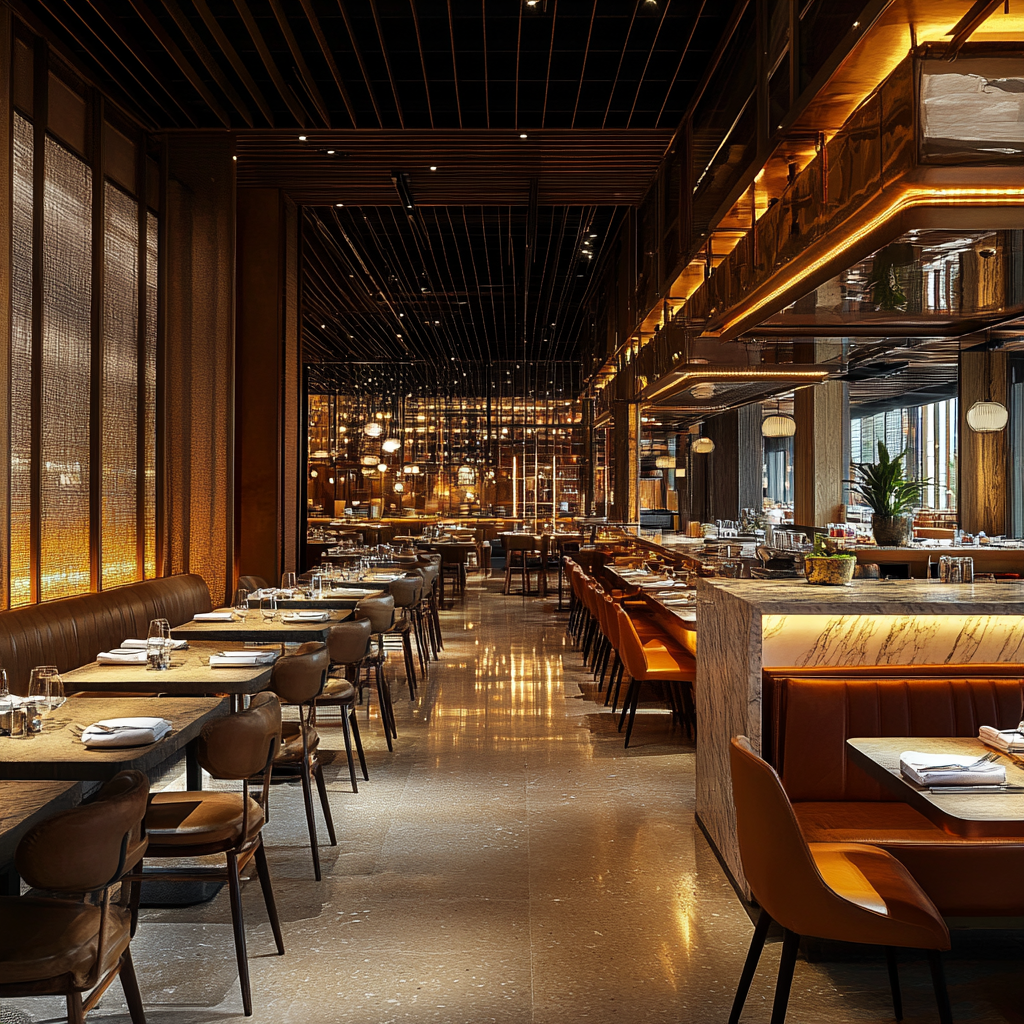
Mistake 4: Unstable Tables That Disrupt the Dining Experience
Wobbly tables are more than an annoyance. They interrupt meals, frustrate guests, and create unnecessary service interruptions.
Table stability is a layout issue, not just a furniture issue.
Poor table base selection and uneven layouts compound this problem, especially in high-traffic dining areas.
Mistake 5: Designing for Appearance Instead of Operation
Layouts designed only for visual impact often ignore real operational needs. Decorative furniture placement, oversized tables, or awkward zoning may look impressive but perform poorly.
Restaurants that design for operation first consistently outperform those that design only for aesthetics.
How to Fix Layout Mistakes Without Expanding Space
Successful restaurants focus on:
Clear circulation paths for staff
Balanced seating density instead of maximum seating
Proper table spacing for efficient service
Stable, well-proportioned tables and bases
Smart layout adjustments improve profitability without changing location or concept.
Final Takeaway
Restaurant layout mistakes rarely announce themselves.
They quietly reduce revenue every service, every day.
Fixing layout fundamentals—flow, spacing, and stability—creates measurable improvements in table turnover, guest satisfaction, and long-term profitability.


