
Ron Wong
86-13380258855
sales@rongroup.co

Opening a restaurant involves many major expenses, and furniture is one of the easiest costs to underestimate.
A few tables and chairs may not look expensive individually, but once you add dozens of seats, booth seating, bar stools, custom finishes, freight and installation, the total can rise quickly.
So, how much does it actually cost to furnish a restaurant?
For early-stage planning, many commercial restaurant projects can use approximately $150–$400 per seat as a general furniture budget reference. Premium restaurants using extensive custom booth seating, solid wood, stone, leather or high-end upholstery can reach $400–$750+ per seat.
These figures are planning references rather than fixed quotations. The actual cost depends on the restaurant concept, furniture specifications, quantity and level of customization.
What Affects Restaurant Furniture Cost?
The biggest factor is the type of restaurant you are furnishing.
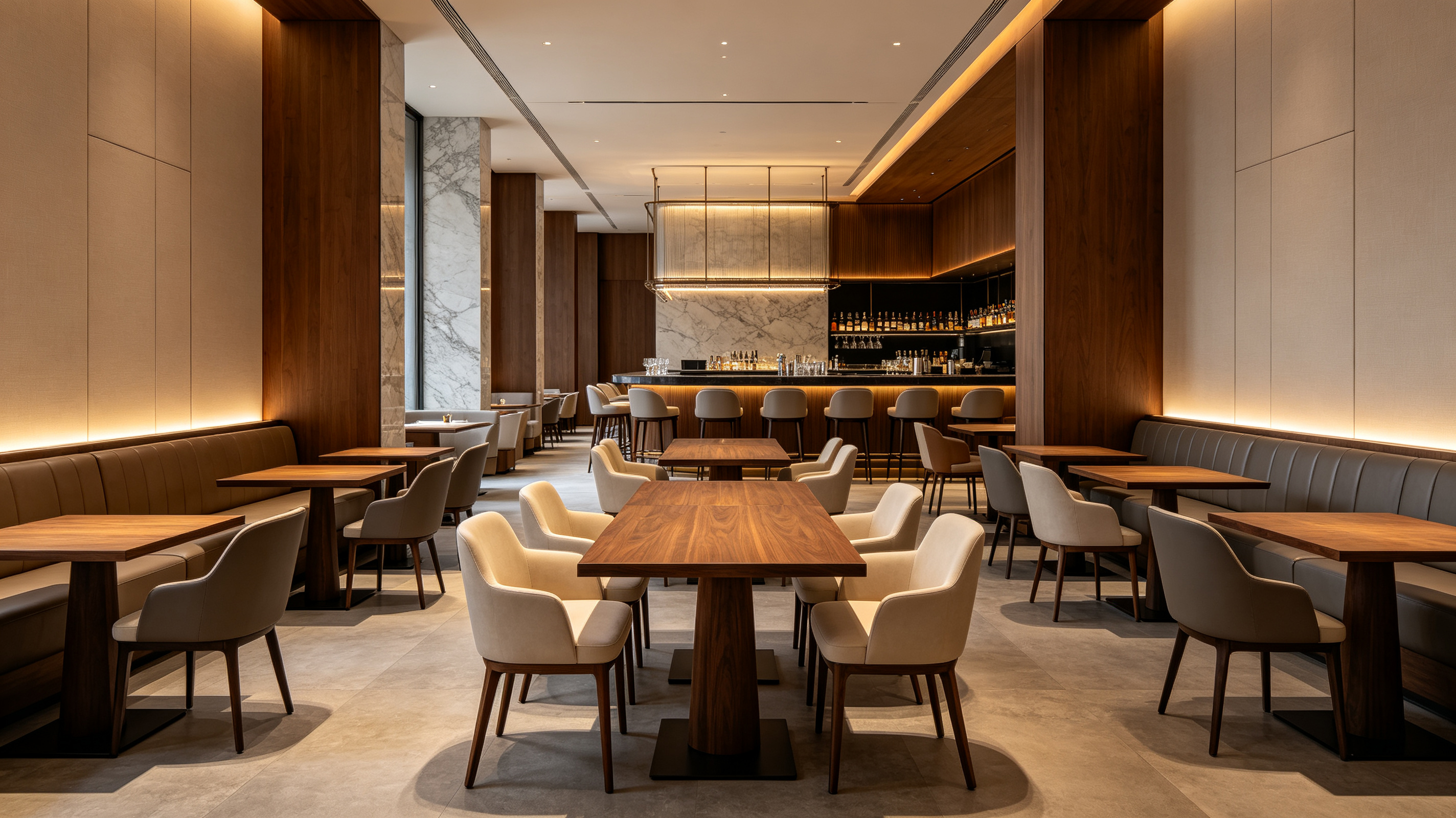
A casual café may use compact tables, metal-frame chairs and simple finishes. A steakhouse may require larger solid wood tables, upholstered chairs and custom high-back booths. A hotel restaurant or fine-dining venue may also include lounge seating, decorative furniture and premium materials.
This means two restaurants with the same number of seats can have completely different furniture budgets.
The goal should not be to use the most expensive furniture everywhere. A better strategy is to invest more in the areas that directly affect comfort, durability and brand presentation.
Chairs and Booths Can Quickly Change the Budget
Dining chairs are usually ordered in large quantities, so even a small difference in unit price can have a major impact on the total project cost.However, choosing the cheapest chair is rarely the best long-term solution.
Commercial restaurant chairs are used repeatedly every day. Frame strength, joints, upholstery and surface finishes all affect how long they last.
Booth seating generally costs more because it requires additional materials and customization, but it can also improve space utilization.
Custom booths can make better use of walls, corners and difficult areas while creating a stronger visual identity. For many restaurants, a practical solution is to combine standard tables and chairs with custom booths in feature areas.
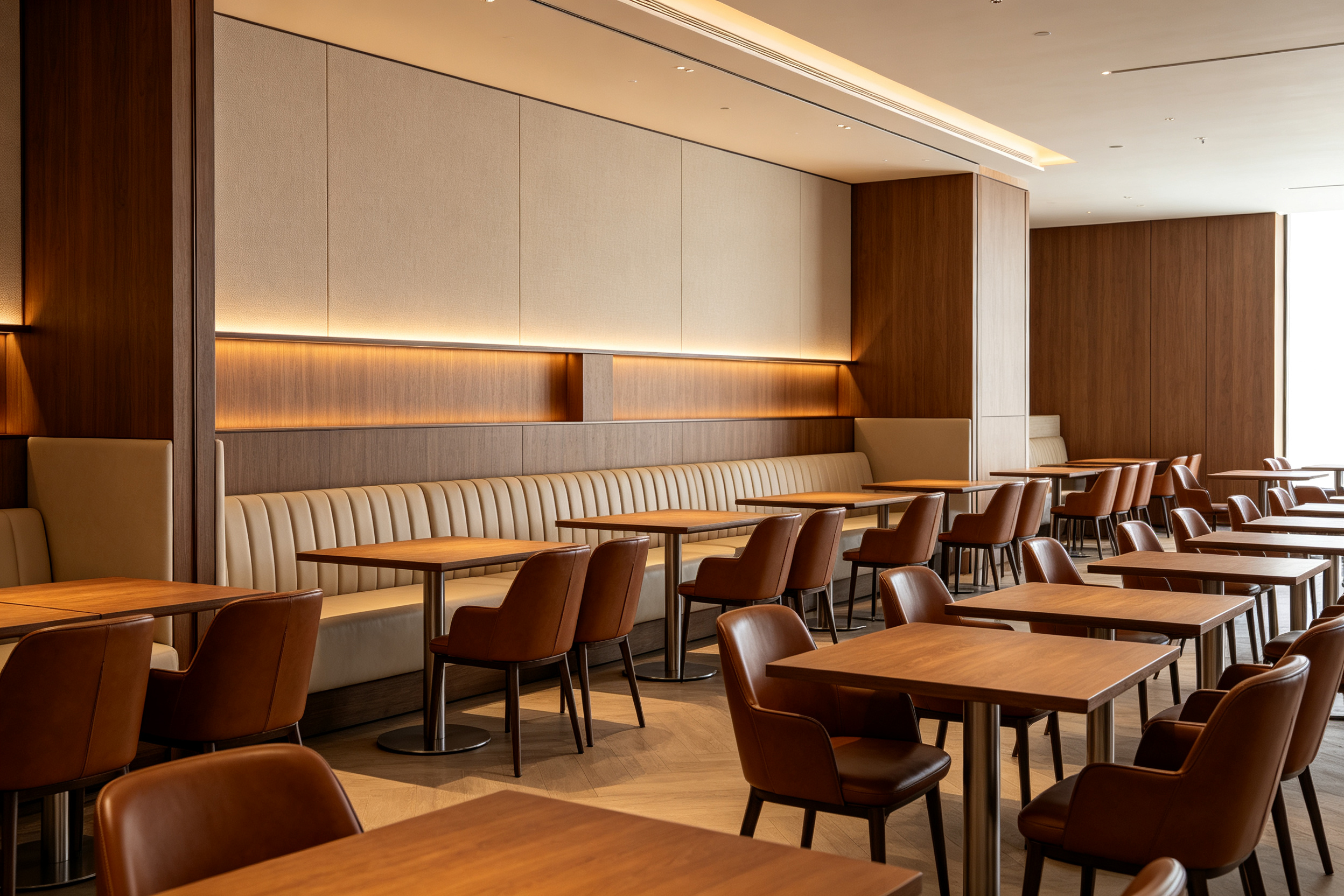
Table Materials Matter More Than Many Buyers Expect
Restaurant table prices can vary significantly depending on the tabletop and base.
Laminate and engineered surfaces are usually more economical, while solid wood, sintered stone and natural stone can increase costs considerably.
The best material should be selected according to where and how the table will be used.
High-traffic dining areas need surfaces that withstand frequent cleaning and wear. Feature areas can use more decorative materials, while outdoor tables require better resistance to weather and moisture.
Using the same premium material throughout the entire restaurant is not always necessary.
Customization Should Be Strategic
Custom restaurant furniture does not mean every product needs to be designed from scratch.
Changing upholstery, frame finishes, tabletop colors, booth dimensions or furniture sizes may already be enough to create a consistent restaurant identity.
The most effective projects usually customize the elements customers notice most while standardizing secondary furniture wherever possible.
This helps control the restaurant furniture budget without making the space feel generic.
Do Not Look at Product Price Alone
Another common mistake is comparing quotations only by unit price.
A restaurant furniture project may also include packaging, freight, customs duties, local delivery, assembly and installation.
Before choosing a supplier, buyers should compare the total project cost, not simply the factory price of each chair or table.
This is especially important for international restaurant projects.
A lower product price can become less attractive if furniture needs to be sourced from several suppliers, shipped separately and coordinated by different teams.
How Can Restaurants Reduce Furniture Costs?
Reducing cost does not have to mean reducing quality.
The first step is to finalize the floor plan and furniture quantities before production. Late changes to sizes, materials and quantities can create unnecessary costs.
Standardizing key dimensions also helps. Restaurants can use consistent chair models, table bases and material specifications while reserving custom designs for booths or important visual areas.
Another effective approach is to purchase multiple restaurant categories through a coordinated supply chain.
RON GROUP provides one-stop restaurant supply solutions covering furniture, kitchen equipment, dinnerware, glassware, cutlery, buffet equipment, lighting, decoration and other restaurant supplies.
By combining categories, coordinating specifications and reducing the need to work with multiple suppliers, RON GROUP can help customers save up to 65% on overall project purchasing costs, depending on the project scope, specifications and purchasing structure.
The value is not only a lower purchase price. It can also reduce repeated communication, separate shipping arrangements and coordination between multiple suppliers.
Spend More Where It Matters
When the budget is limited, prioritize furniture that receives the most use.
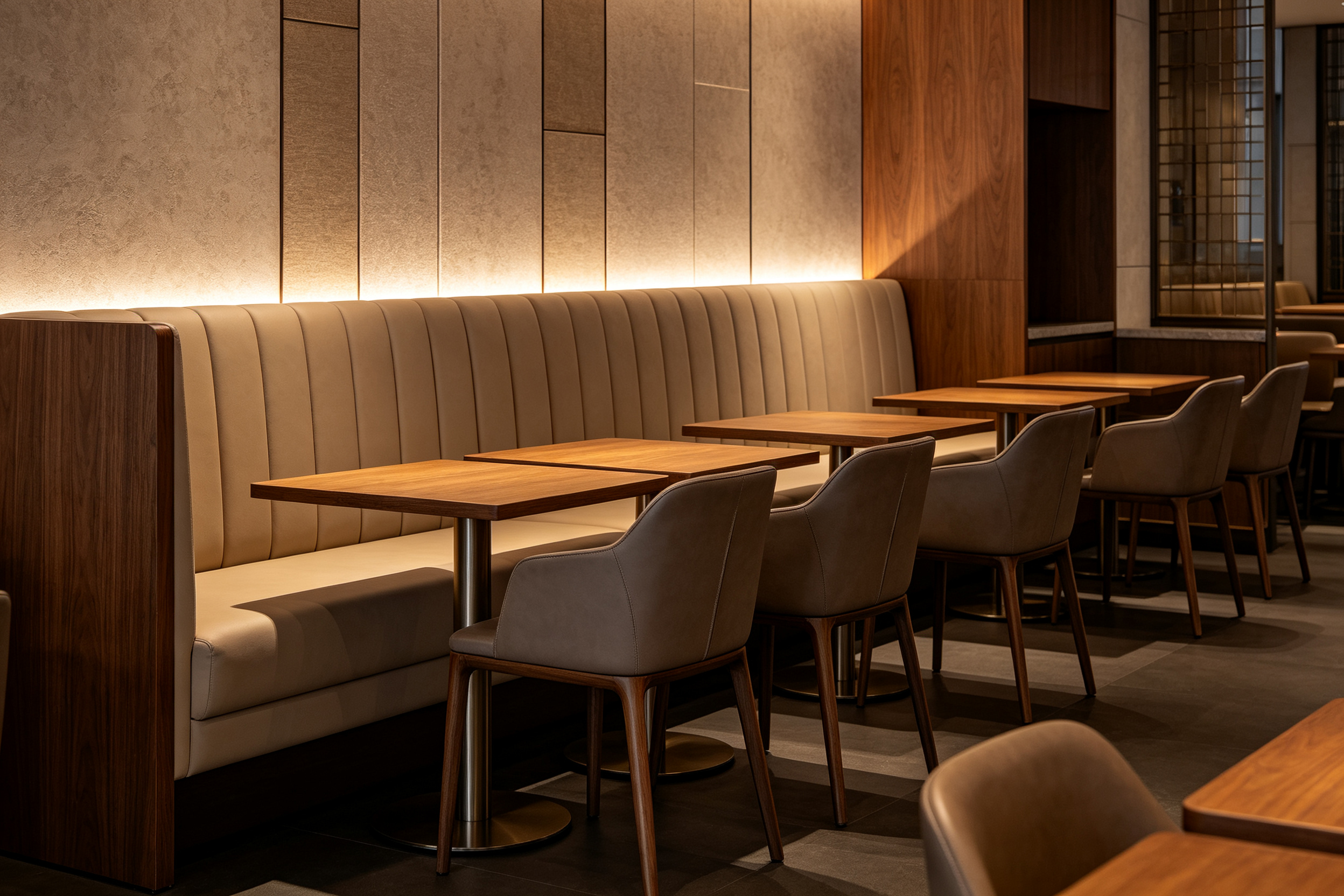
Dining chairs need reliable construction. Booth upholstery needs to withstand repeated use and commercial cleaning. Table surfaces need to resist scratches, stains and frequent maintenance.
Decorative pieces that receive less physical wear may not need the same specification.
A good furniture budget is therefore not about spending equally across every item. It is about putting more money into the areas where durability and guest experience matter most.
Final Takeaway
There is no fixed answer to how much it costs to furnish a restaurant.
The final budget depends on seating capacity, restaurant concept, materials, customization and logistics.
Instead of focusing only on the lowest unit price, restaurant owners should consider the complete furniture package, expected service life and overall project cost.
A well-planned procurement strategy can reduce unnecessary spending while still delivering a restaurant that looks professional, performs reliably and supports the brand for years to come.


Ron Group
86-13380258855
sales@rongroup.co
