Why Plate Chipping Is One of the Most Common Restaurant Complaints
In busy restaurants, chipped plates appear far more often than operators expect. Many assume this is a handling issue, but plate chipping is usually a specification problem, not a staff problem.
When plates are not designed for commercial service, even careful handling cannot prevent edge damage over time.
The Real Reasons Restaurant Plates Chip So Easily
Most chipping issues come from structural limitations rather than accidents.
Common causes include:
Thin rims designed for home use
Low ceramic density from insufficient firing
Decorative glazes that weaken edge strength
Plates made for residential dining are not built to survive commercial pressure.
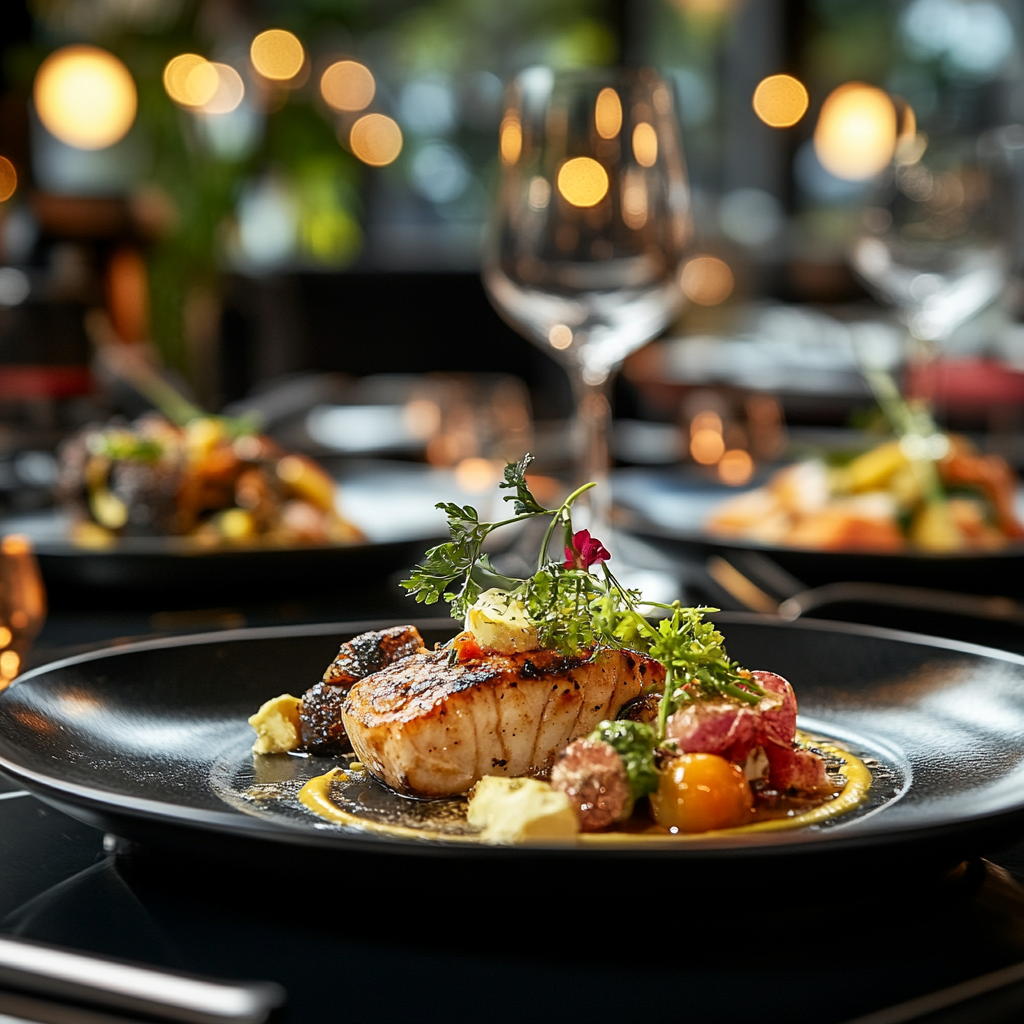
How Commercial Dinnerware Is Built for Restaurant Use
Commercial dinnerware is engineered differently from the start.
Key structural differences include:
High-fired ceramic bodies that improve impact resistance
Reinforced rims to reduce edge chipping during stacking
Stable glaze bonding suitable for frequent dishwasher cycles
These features directly improve restaurant tableware durability under daily service conditions.
Why High-Traffic Restaurants Experience the Most Damage
In high-traffic restaurants, plates are constantly:
Without chip-resistant ceramic plates, replacement becomes inevitable and frequent.
The Hidden Cost of Using the Wrong Dinnerware
Chipped plates do more than affect appearance.
They lead to:
Increased replacement orders
Inconsistent table presentation
Higher long-term operating costs
Commercial ceramic dinnerware reduces replacement frequency and stabilizes operational expenses.

How Restaurants Should Choose Chip-Resistant Plates
Before ordering, professional buyers evaluate:
Firing temperature and ceramic density
Rim thickness and edge design
Dishwasher safety under commercial cycles
Long-term availability for replacements
Choosing the right dinnerware upfront prevents recurring losses later.
Final Takeaway
Restaurant plates chip easily when they are not designed for restaurant realities.
Commercial dinnerware exists to solve this exact problem.
Durability, not decoration, is what keeps tableware performing service after service.


