
Ron Wong
86-13380258855
sales@rongroup.co

Restaurant menus are changing. Many guests are looking for meals that feel lighter, healthier and better value, without losing the pleasure of dining out. For restaurants, this creates a new question: how can smaller portions still look satisfying, premium and well presented?
The answer often starts with the plate.
The right restaurant plates, bowls and serving pieces can make smaller portions feel intentional instead of reduced. Plate size, shape, depth and color all affect how guests understand the dish before they take the first bite.
Smaller Portions Need Smarter Presentation
Smaller portions do not mean a weaker dining experience. In many cases, they can make a menu feel more modern, flexible and customer-friendly.
However, presentation becomes more important. If a smaller dish is served on an oversized plate, it may look empty. If it is served on the right plate, it can look balanced, refined and carefully designed.
This is why restaurant plate size matters. A smaller main dish may work better on a coupe plate or shallow bowl. A side dish may look more complete on a textured small plate. A tasting portion may feel more premium when presented with clean spacing and the right rim design.
For restaurants, good dinnerware helps protect the perceived value of the dish.
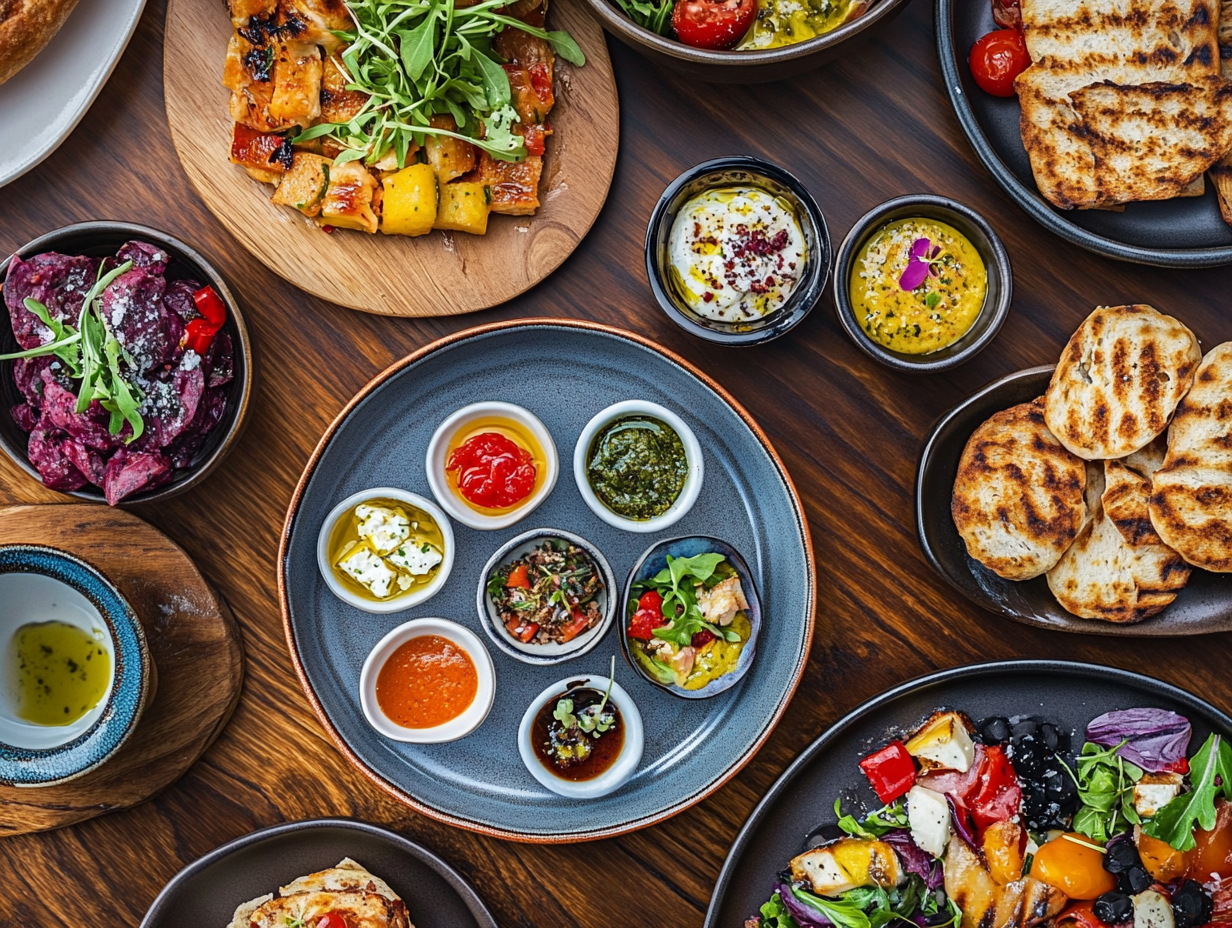
Plate Size Affects Portion Perception
Guests do not only judge quantity by weight or ingredients. They also judge it visually.
A small portion on a plate that is too large can make the dish feel poor value. A properly sized plate helps the food look fuller, better balanced and more satisfying. This is especially important for value menus, lunch sets, tasting menus, small plates and health-focused dishes.
Wide shallow bowls are useful for pasta, noodles, rice bowls and sauced dishes. Smaller flat plates work well for starters, desserts and shared bites. Deep bowls are better for soups, broths and dishes with more liquid.
The goal is simple: the plate should support the food, not expose its weakness.
Small Plates Can Create More Flexible Menus
Small plates are not only useful for reduced portions. They also support sharing menus, tasting menus, bar snacks and all-day dining concepts.
For restaurants, this creates more menu flexibility. Guests can order several dishes instead of one large portion. Operators can present familiar ingredients in a more creative way. The table also becomes more active and social, which improves the dining experience.
From a tableware perspective, this means restaurants need a stronger mix of side plates, appetizer plates, shallow bowls, sharing platters and sauce dishes. A smart dinnerware collection should support different portion sizes without making the table setting look inconsistent.
Bowl and Plate Shapes Should Match the Menu
Different menu types need different dinnerware.
For health-focused meals, grain bowls, salads and protein dishes often need bowls with enough depth and clean visual space. For steakhouses or grilled menus, darker ceramic plates can make meat and vegetables look stronger. For cafés and casual dining, warm white plates, matte bowls and simple side plates can create a softer, more approachable table setting.
The best choice is not always the largest or most decorative plate. The best choice is the one that makes the dish look complete, balanced and valuable.
A restaurant should choose dinnerware based on menu structure, portion size, table size, service speed and daily durability.
Commercial Dinnerware Still Needs Durability
Smarter plate selection should not ignore operation. In a real restaurant, dinnerware is stacked, washed, carried and used many times every day.
Good commercial dinnerware should be durable, easy to clean, stable when stacked and suitable for bulk replacement. This is especially important when restaurants use multiple plate sizes across the same menu.
If a plate looks beautiful but chips easily or cannot be reordered later, it creates long-term cost and consistency problems. For hotels, chain restaurants, catering businesses and high-frequency dining spaces, durability is not optional.
How Restaurants Can Build a Better Plate Mix
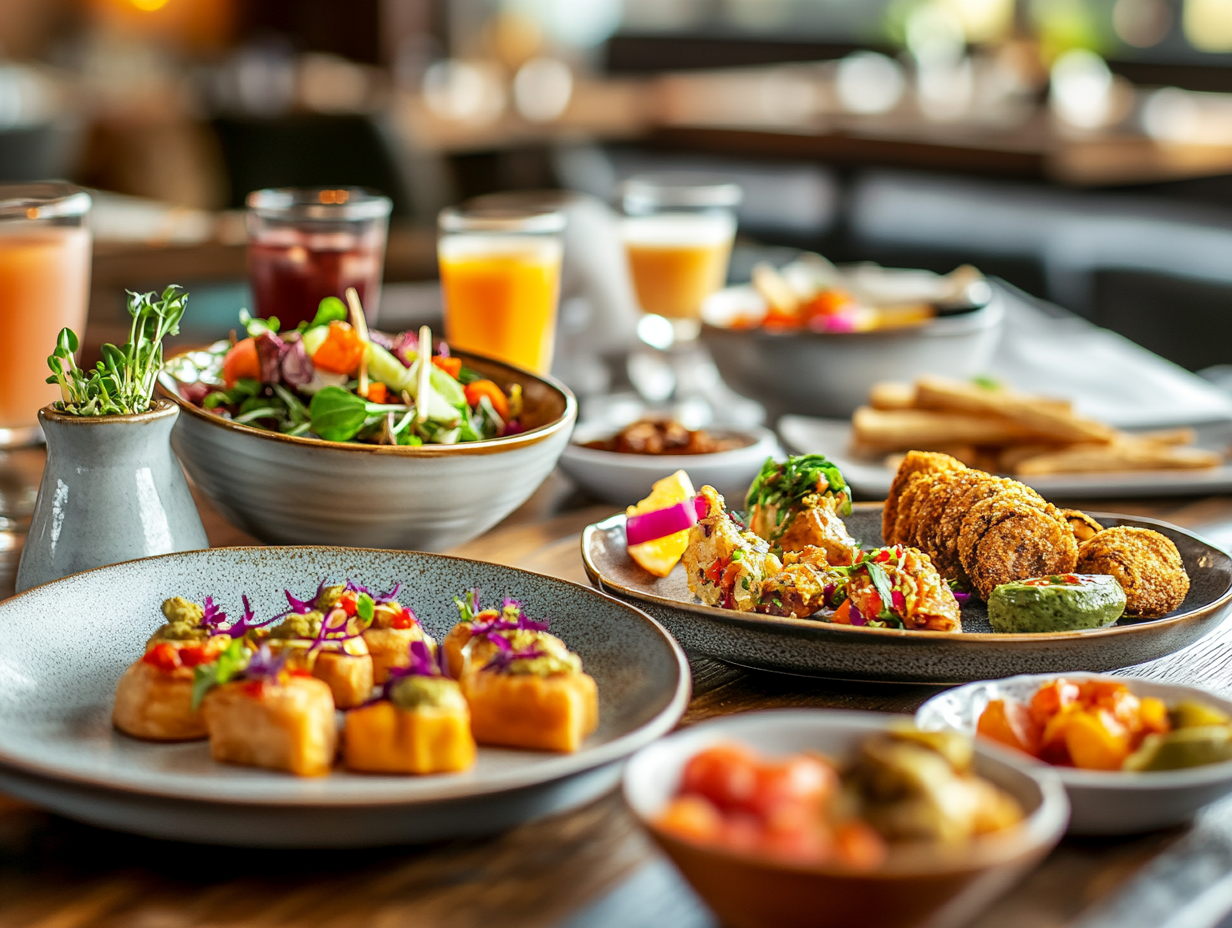
A practical restaurant dinnerware setup should include several core pieces:
Main course plates for signature dishes and proteins.
Wide shallow bowls for pasta, noodles, curry, rice bowls and sauced dishes.
Small plates for starters, desserts, bread and tasting portions.
Sharing platters for group dining and value menus.
Sauce dishes and side bowls for better table organization.
This mix allows restaurants to serve smaller portions, shared dishes and full meals without making the table look random.
The most important rule is consistency. Even when plate sizes vary, the color, texture and overall style should still feel connected.
Conclusion
Smaller portions are not a downgrade when they are presented properly. They can help restaurants respond to changing customer habits, control food waste, offer more flexible menus and create better value perception.
But the plate must do its job.
The right restaurant plates, bowls and serving pieces can make smaller portions feel generous, intentional and premium. For restaurants, hotels and catering businesses, plate size is not just a purchasing detail. It is part of menu strategy, food presentation and guest experience.


Ron Group
86-13380258855
sales@rongroup.co
